How Stress and Anxiety Affect the Pelvic Floor
How Stress and Anxiety Affect the Pelvic Floor
Stress is something we all experience from time to time, but ongoing stress and anxiety can affect far more than your mood and energy levels. They can also have a significant impact on your pelvic floor muscles, bladder and bowel health.
When life feels overwhelming, many people unknowingly carry tension in their body — clenching the jaw, tightening the shoulders and even gripping the pelvic floor muscles without realising it. Over time, this constant tension can leave the pelvic floor overactive with tight pelvic floor muscles and fatigued.
If your pelvic floor is already weakened by childbirth, ageing, menopause or pelvic surgery, stress and muscle tension can place even more strain on the pelvic floor and worsen symptoms.
How Can Stress Affect the Pelvic Floor?
Stress and anxiety can contribute to:
- Bladder urgency and frequency
- Stress or urge incontinence
- Pelvic pain and tension
- Constipation and difficulty emptying the bowels
- Pain during sex
- Lower back or pelvic discomfort
- Pelvic floor tightness or spasm
- Symptoms of pelvic organ prolapse
For some people, the pelvic floor becomes weak and underactive. For others, the muscles become overly tight and unable to relax properly. Both situations can affect bladder control, bowel function and pelvic comfort.
Signs of an Overactive or Tense Pelvic Floor
You may notice:
- A constant feeling of pelvic tension
- Difficulty fully relaxing your muscles
- Bladder urgency or frequent toilet trips
- Pelvic heaviness or aching
- Painful urination or bowel movements
- Pain during intimacy
- Difficulty emptying your bladder or bowels completely
How to Relax and Support the Pelvic Floor
The good news is that supporting your pelvic floor and calming muscle tension can often help improve symptoms and comfort.
Relaxation and Pelvic Floor Recovery
Relaxation is just as important as strengthening when it comes to pelvic floor health.
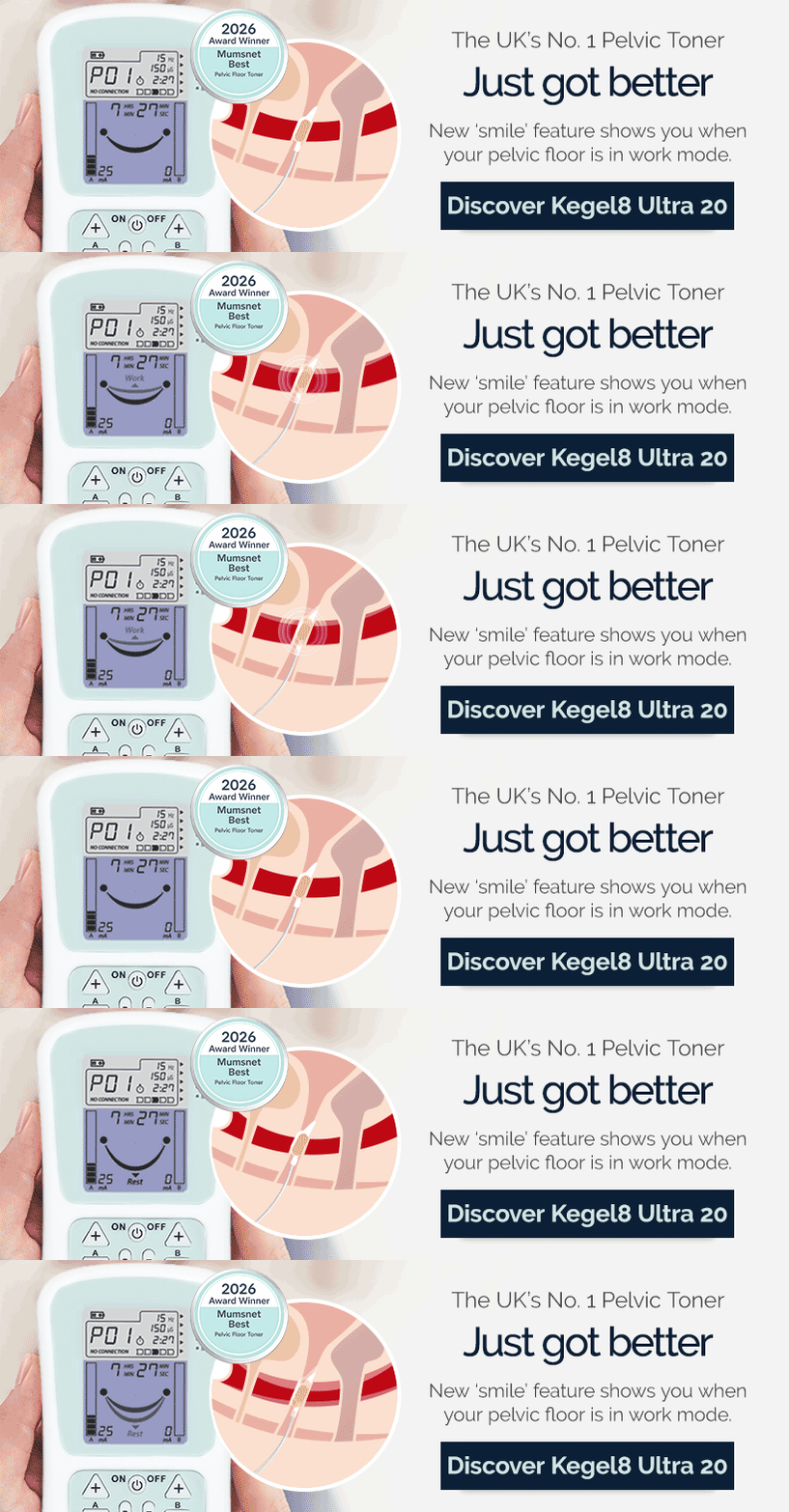
The Kegel8 Ultra 20 includes dedicated pelvic floor relaxation and recovery programmes designed to help gently stimulate, relax and soothe tight pelvic floor muscles and sensitive bladder nerves. Programme 20, in particular, is designed to help encourage muscle relaxation while supporting circulation and pelvic comfort — all at the touch of a button.
Many users find the gentle stimulation helps calm pelvic tension, settle sensitive bladder symptoms and leave the pelvic floor feeling more relaxed and supported.

Gentle Movement and Low-Impact Exercise
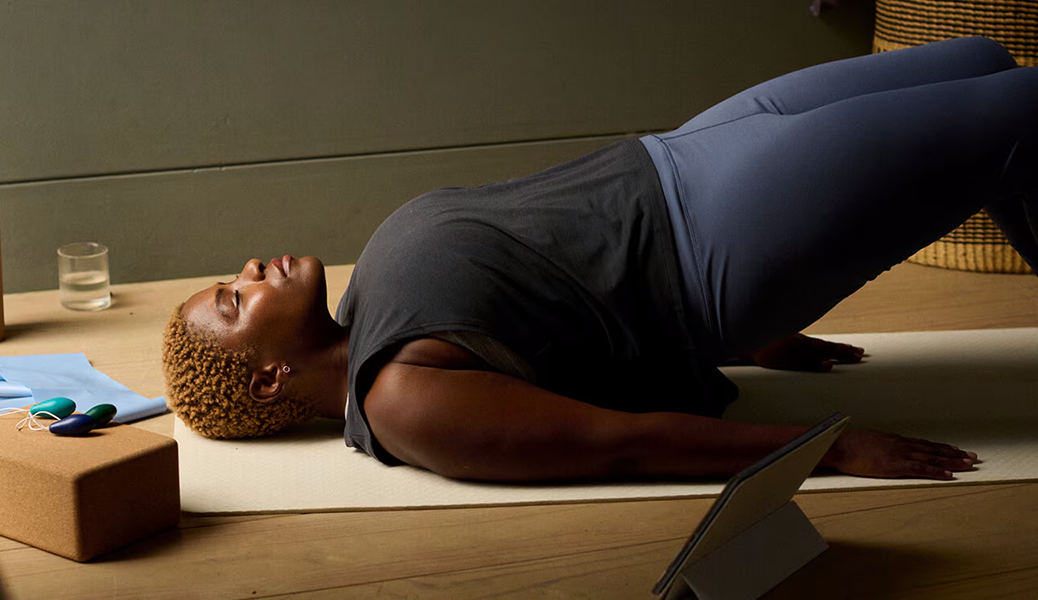
Low-impact activities such as walking, swimming, stretching, Pilates and breathing exercises may help reduce tension and improve pelvic floor awareness without placing excessive strain on the body.
Support Your Body from Within
Stress, fatigue and hormonal changes can all affect muscle and nerve health. Supporting your overall wellbeing with hydration, balanced nutrition, rest and appropriate supplements may also help support pelvic floor recovery and long-term pelvic health.
Most importantly, remember that pelvic floor symptoms linked to stress and anxiety are common — and help is available.